
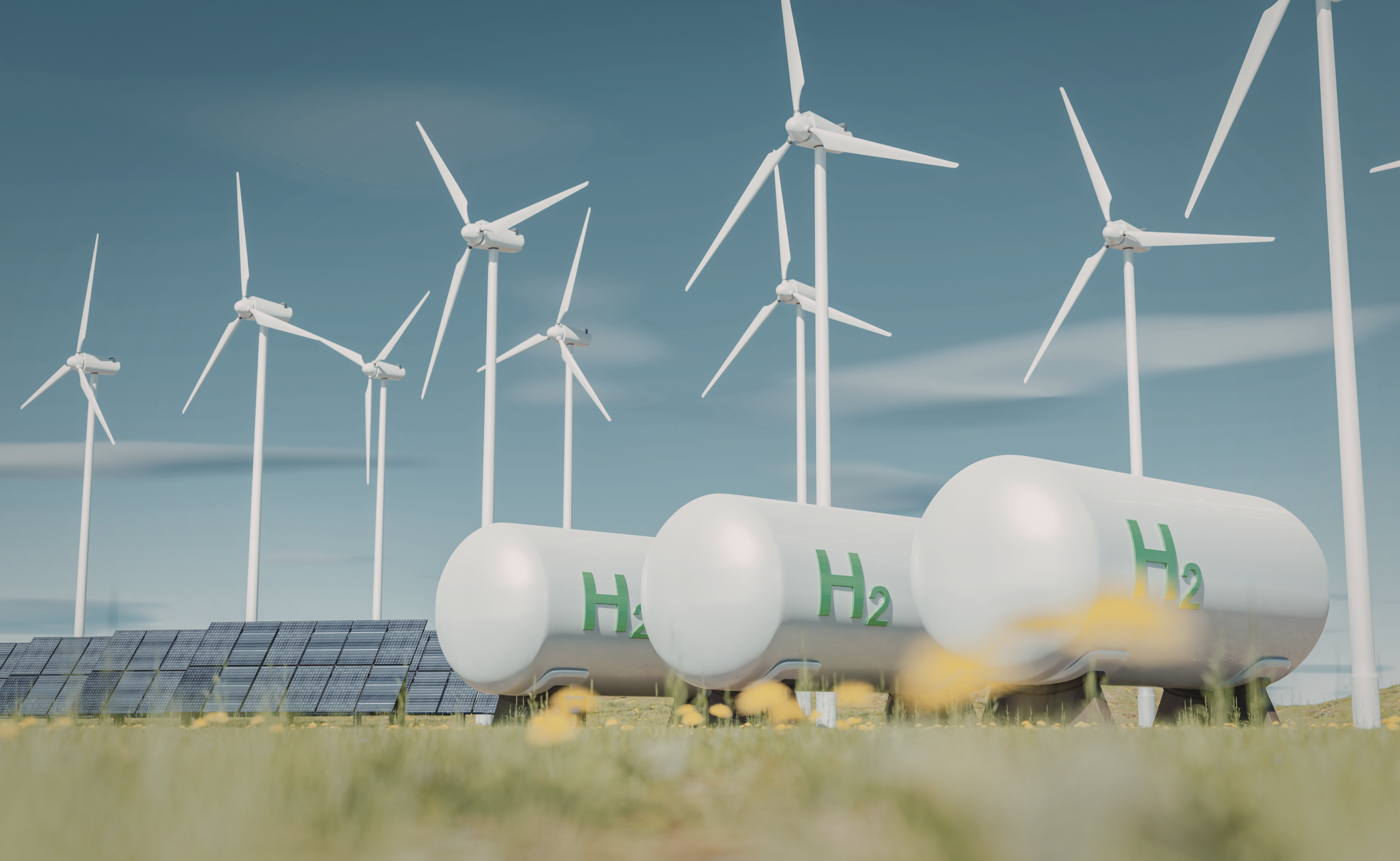
The Time to Pivot to Green Hydrogen is Now
Unpredictability in oil and gas supply is impacting its availability and affordability in India; hitting small businesses and informal enterprises—especially hard. Alternatives like PNG are not uniformly accessible. In the current situation, green hydrogen needs to be explored not as an option for the future but as a practical complement to current energy alternatives. India’s policy Initative, National Green Hydrogen Mission along with advances in electrolyzer, storage, and transmission technologies can enhance India’s energy security and reduce GHGs. NTPC’s pioneer work in PNG and Hydrogen gas blending, hydrogen based cookstove and solar-hydrogen micro grid provide strong cases for renewed attention and investment to scale proven technologies till future advancement makes Green Hydrogen more mainstream. Only one element is missing…
The Immediate Energy Challenge
Volatility in global oil markets, driven in part by conflicts in West Asia and Europe, has disrupted supply chains and pushed gas prices upward. Rising prices for commercial LPG, including 5 kg cylinders are likely to hit solo entrepreneurs, micro and small businesses, Despite the strong push by the government to switch to PNG and the advantages of PNG over LPG, access remains unreliable or non-existent[1]outside1 major cities, leaving many users without a reliable alternative.
Why Green Hydrogen Matters Now
Green hydrogen should no longer be treated as an option for the future. It deserves a higher place on India’s policy and investment agenda. India’s National Green Hydrogen Mission[2], launched in 2023 with a target of 5 MMTPA of green hydrogen production by 2030[3] provides that foundation.
Maturity in electrolyzer technology, along with advances in storage and transmission technology has discernibly moved the needle in favor of green hydrogen as a viable energy source. It is, perhaps, not yet ready to displace conventional fuels across the board, but it is ready for targeted early applications—especially blending into gas networks, decentralized supply in remote areas, and other pilot projects where energy security and emissions reduction can be demonstrated together.
Cases of Successful Implementation
- NTPC’s NETRA facility[4] in Greater Noida, has successfully used a hydrogen-based gas stove for cooking using supply from its on-site green hydrogen plant.
- NTPC and Gujarat Gas[5] began India’s first green hydrogen blending operation in a PNG network, initially approved for 5% blending with a phased pathway to higher levels at Kawas in Surat.
- Oil India Limited’s Green Hydrogen pilot project in Jorhat, Assam produces the country’s first 99.99% pure green hydrogen from solar power. It is being used to test run India’s first hydrogen fuel cell powered e-bus in collaboration with Ohm Clean Tech Private of Pune.
- Indian Oil Corporation’s R&D Centre at Faridabad is producing nearly 75 kgs of green hydrogen that is being used to power two buses across the National Capital Region (NCR) for trial runs.
These successes suggest India is already on its way to address one of green hydrogen’s hardest challenges: storage and transmission. These early efforts offer a practical model for wider residential and commercial use. Admittedly, further advances are still needed for large-scale production and the intermittency in supply of renewable power from wind and solar sources.
India’s Strategic Advantage
Globally, only 4% of hydrogen[6] is produced through water electrolysis; most still come from natural gas and coal. India, however, is well positioned to shift that balance. By late 2025, India had more than 132 GW of installed solar capacity and nearly 54 GW of wind capacity[7], giving it a strong renewable base from which to scale green hydrogen production and strengthen long-term energy self-reliance.
Measures to take Green Hydrogen Mainstream
- Expand pilot projects in gas blending, production of hydrogen-based gas cooktops and hydrogen fuel cell powered public transport system
- Increase funding for storage, transmission, and safety infrastructure through targeted public investment and public-private partnerships.
- Publicize existing policy initiative—the National Green Hydrogen Mission—production linked incentives, waived interstate transmission charges to lower early deployment risk.
- Promote and sponsor research on electrolyzers, storage systems, and distribution standards so pilots can move toward commercial scale.
Since Green Hydrogen produces impressively low emissions (less than 1 kg of CO2 for 1 kilogram of H2[8] depending on the supply chain of the renewable electricity and the overall efficiency of the process); switching to Green Hydrogen will help to achieve two targets-one massive decarbonization and second make India atma nirbhar in the energy sector by reducing its dependency on imported crude oil. India is currently the world’s third largest crude oil importer, importing nearly 80%[9] of its crude oil requirements.
The Missing Element: Urgency
The case for green hydrogen should no longer be merely aspirational. India already has policy support, growing technical capability, and a strong renewable energy base. Cost, efficiency, and safety challenges remain, but they are the reasons to invest and scale—not to wait. Fast-tracking green hydrogen should now mean expanding pilot projects, building supporting infrastructure, and turning policy support into competitive and profitable deployment. Done right, this would strengthen India’s position in the global clean energy transition while reducing dependence on imported fossil fuels.
Partner with Strategic PR Insights for targeted high impact communications with your key stakeholders. WhatsApp: 7208107904; or Email: tulika.varma@strategicprinsights.com to know more
https://economictimes.indiatimes.com/industry/energy/oil-gas/one-hike-many-shocks-indians-cant-ignore-the-rs-933-lpg-cylinder-price-increase/articleshow/130671071.cms?from=mdr ↑
2.https://mnre.gov.in/en/national-green-hydrogen-mission/ ↑
3.https://unfccc.int/sites/default/files/resource/cma2021_08_adv_1.pdf ↑
4.https://ntpc.co.in/media/press-releases/ntpc-demonstrates-zero-emission-hydrogen-cooking ↑
5.https://ntpc.co.in/media/press-releases/ntpc-starts-indias-first-green-hydrogen-blending-operation-png-network ↑
6.https://static.pib.gov.in/WriteReadData/specificdocs/documents/2024/may
/doc2024510336301.pdf ↑
7.https://www.pib.gov.in/PressReleasePage.aspx?PRID=2209478®=3&lang=1 ↑
8.https://climate.mit.edu/ask-mit/how-clean-green-hydrogen ↑
9.https://ieefa.org/resources/indias-oil-and-gas-crisis-wake-call-transport-electrification ↑